August 10, 2026 · Our Approach
Why Small Class Sizes Matter (What the Research Says)
Why Small Class Sizes Matter (What the Research Says)
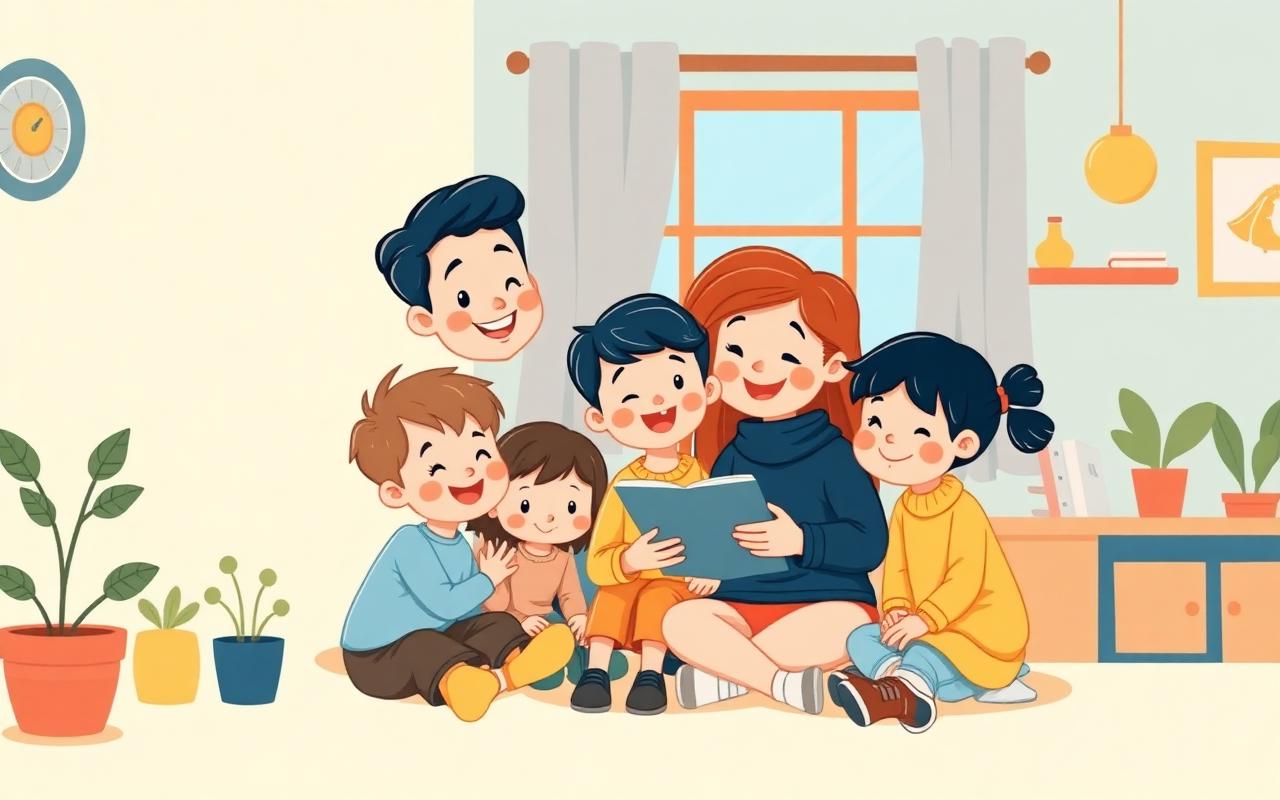
"Small classes" is the headline of nearly every private school, ours included. But it is worth asking why it matters so much. What actually changes for your child when there are ten or fifteen kids in the room instead of thirty? Research and decades of classroom experience point the same way, and the reasons are refreshingly concrete.
The core idea: your child gets seen
Everything good about a small class comes from one simple fact. A teacher with fewer students can pay attention to each one. That attention is the engine behind all the benefits below. Researchers have studied class size for decades. They debate the exact numbers, but the steady through-line is that smaller classes give teachers the time to know, reach, and respond to each child. Here is what that looks like day to day.
Every child is known
In a small class, there is nowhere to disappear. The teacher knows your child's strengths, their struggles, and the day something feels off. No kid drifts along invisibly at the back of the room.
Problems get caught early
A small gap is easy to fix. A big one is not. When a teacher is closely tracking a handful of students, they notice the moment a child starts to slip, and step in before it becomes a real setback. Left unseen in a crowd, that same struggle can quietly grow. It is a common warning sign. See signs your child needs a smaller school.
More talking, more voice
In a big class, only a few kids get to speak each day. In a small one, everyone takes part. Asking questions, sharing ideas, thinking out loud. That active involvement is where real learning happens, and quieter kids especially get pulled into the conversation instead of hiding.
Stronger relationships
When a teacher truly knows a student, trust grows. Kids work harder for teachers who know them and believe in them, and they are more willing to ask for help. Those relationships are one of the most powerful and most underrated drivers of a child's success.
A pace that fits the child
Big classes get taught to the middle. Small classes can bend. A child who is ahead moves faster, and a child who needs more time gets it, without labels and without being left behind. That is why a small setting serves both advanced learners and kids who need extra help. At Highland, this is woven into our curriculum and philosophy.
Better behavior, fewer disruptions
When every child is engaged and connected to the teacher, there is simply less acting out. Kids who feel seen do not need to compete for attention, and small classes leave far less room for anyone to slip through the cracks.
Confidence that carries
Here is the quietest benefit. Kids in small classes get more chances to succeed, be noticed, and be encouraged. That steady drip of "I can do this" builds a confidence that follows them well beyond the classroom.
Class size and ratio are not the same
One quick note. "Class size" means how many kids are in the room. "Student-teacher ratio" means how many students there are per teacher across the whole school. They are related but different, and both matter. We unpack it in student-teacher ratio, explained.
What small classes look like at Highland
Small classes and a low student-teacher ratio are the base the whole school is built on, from pre-school through middle school. Paired with hands-on, project-based teaching, that attention shows up in results. 90% of our K-8 students have earned individual recognition for a standardized test score above the 90th percentile.
See what a small class actually feels like. Numbers on a page are one thing. Standing in the room is another. Book a tour of Highland Academy in Absecon, or call (609) 652-9500.
Where to go from here
Small classes matter because they let a teacher do the one thing that changes everything. Truly see and reach each child. More attention, earlier help, more taking part, stronger relationships, a pace that fits, and growing confidence all follow. It is the heart of what a small school offers.
Come see it for yourself. Book a tour or call (609) 652-9500.
Related posts
August 22, 2026
What Is Choice Theory in Education? A Parent's Guide
A simple guide to William Glasser's Choice Theory, how it shapes a classroom, and why giving kids voice and belonging helps them learn.
August 20, 2026
Multiple Intelligences: How Kids Learn in Different Ways
A simple parent's guide to Howard Gardner's Multiple Intelligences, why kids are smart in different ways, and what it means for the classroom.
August 17, 2026
Project-Based Learning, Explained for Parents
What project-based learning is, how it helps kids understand and remember more, and why it works. A clear, simple guide for parents.